
Before Fashion: Ancient Social Life of Head Adornment
- ssm0218
- Jun 15
- 5 min read
Long before the headband became a modern accessory, people across ancient civilizations were already placing meaning near the face.
A band of cloth, a wreath of leaves, a golden diadem, a carved hairpin, a ceremonial crown: these objects did more than decorate the body. They helped societies read the person w
earing them. Head adornment could signal victory, royalty, devotion, adulthood, marital status, priestly power, beauty, or belonging. It turned the head into a visible site of identity.
In this sense, the history of the headband is much older than fashion. It belongs to the long human tradition of using adornment to say: this is who I am, this is where I stand, this is the role I carry.
Greece: The Band of the Victor
In ancient Greece, head adornment often carried the language of excellence. Athletes, poets, rulers, brides, and gods were all imagined with wreaths, bands, or crowns that framed the head as a place of honor.
One of the most enduring images from Greek art is the victorious athlete tying a fillet around his head after a competition. The band was simple in form, but powerful in meaning. It marked achievement. It turned physical effort into public recognition. The athlete’s body had performed, but the headband made that performance socially visible.
Greek wreaths also carried symbolic force. Olive, laurel, ivy, oak, and myrtle could each evoke different associations, from athletic victory to divine favor. A wreath was not merely botanical decoration. It was a circle of meaning. Placed around the head, it suggested that the wearer had entered a special state: celebrated, blessed, honored, or set apart.
The Greek diadem, meanwhile, moved head adornment closer to nobility and rule. Made from precious materials and sometimes decorated with floral or mythological motifs, diadems transformed the forehead into a line of status. They were delicate, but not quiet. They announced refinement, wealth, and social presence.
Rome: Laurel, Power, and Civic Memory
Ancient Rome inherited and transformed many Greek visual traditions, including the wreath. In Roman culture, the laurel wreath became especially associated with triumph, leadership, and public authority.
To wear laurel was to be linked to victory. Military commanders, emperors, and honored citizens could be represented with wreaths that connected the individual body to civic achievement. The head became a public monument. A crown of leaves could communicate courage, service, and legitimacy.
Roman head adornment also appeared in funerary and commemorative contexts. Gold wreaths, jewelry, and hair ornaments could accompany or represent the deceased, reminding us that adornment was not only for the living. It helped preserve identity beyond the moment of life itself.
This is one of the most moving aspects of ancient head adornment: it was not always about vanity. Often, it was about memory. A wreath, a pin, or a band could carry a person’s place in society, even after the body was gone.
China: Hairpins, Adulthood, and Social Order
In ancient China, hair was deeply connected to ritual, family, and social identity. Hair was not simply styled for beauty. It was arranged according to age, gender, rank, propriety, and life stage.
One of the most significant traditions was the hairpin ceremony, or ji li, which marked a young woman’s passage into adulthood. During this rite, a girl’s hair would be arranged into a bun and secured with a hairpin. The object was small, but the transition was profound. The hairpin signaled that she had moved from childhood into a new social role.
This gives Chinese hair adornment a particularly intimate quality. Unlike a crown meant for public triumph, the hairpin could mark an internal threshold: maturity, readiness, family responsibility, and womanhood. It was an accessory, but also a rite of passage.
Chinese hair ornaments also developed into elaborate expressions of beauty and rank. Pins, combs, floral ornaments, and jeweled pieces could reflect status, regional taste, dynastic aesthetics, and personal refinement. The head became a carefully composed space where social order and artistry met.
For a modern brand like Loominova, this history is especially meaningful. It reminds us that what we place in the hair can be both beautiful and biographical. A headband may be chosen for comfort or style, but it can also become part of how a woman marks a chapter of her life.
Egypt: The Sacred Architecture of the Head
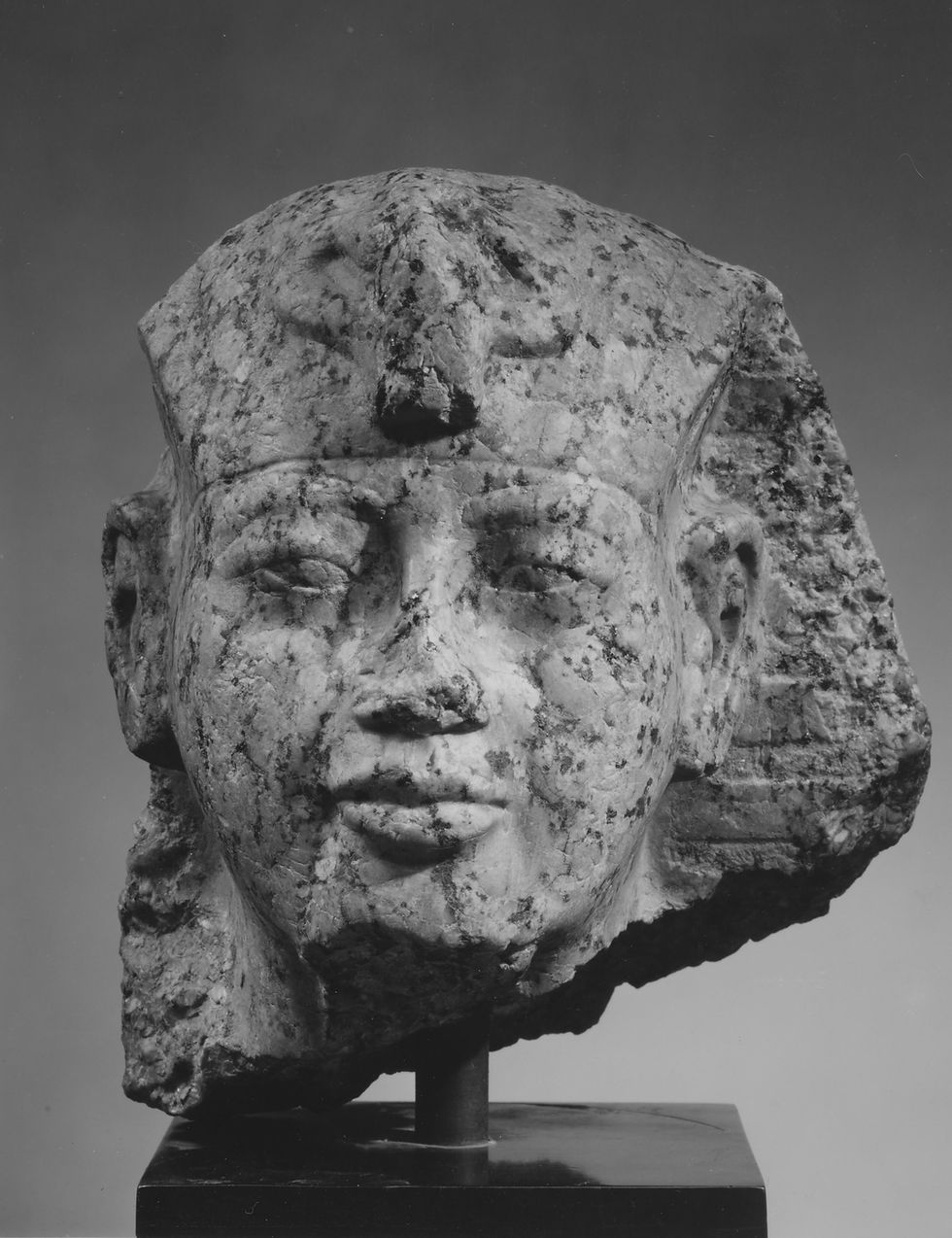
In ancient Egypt, head adornment was closely tied to divine authority, royal identity, and sacred imagery. Egyptian headdresses were not casual accessories. They were visual systems.
The nemes headdress, often seen in images of pharaohs, framed the face in a structured, almost architectural way. The uraeus, the cobra symbol worn at the brow, communicated royal power and divine protection. These elements made the head a sacred focal point. The wearer was not only a person, but a figure connected to cosmic order.
Egyptian crowns and headdresses also distinguished gods, queens, kings, and ritual figures. Different forms could identify specific roles, regions, or divine associations. A crown might indicate Upper or Lower Egypt. A goddess might be recognized by the symbol placed above her head. A ruler’s brow could become the meeting point between human authority and divine legitimacy.
What makes Egyptian head adornment so visually powerful is its precision. Nothing appears accidental. Shape, placement, symmetry, material, and symbol all work together. The face is framed not merely for beauty, but for meaning.
Central Asia and the Silk Road: Adornment in Motion
Across Central Asia and the Silk Road, adornment traveled with people, goods, beliefs, and techniques. Beads, metals, textiles, and jewels moved across regions, carrying styles from one culture into another.
This is where head adornment becomes a story of exchange. A decorative motif might begin in one place and be reimagined in another. A technique might travel with artisans. A material might cross mountains and deserts before becoming part of a personal ornament. The headpiece, like the textile or the jewel, becomes evidence of contact.
Central Asian adornment often reveals the beauty of cultural layering. Greek, Persian, nomadic, Indian, Chinese, and local traditions all influenced the visual languages of the region at different times. Ornaments could communicate status, protection, wealth, or spiritual meaning, while also reflecting the movement of civilizations across trade routes.
For Loominova, this is perhaps the most resonant lesson: beauty travels. It does not stay fixed in one place. It is carried, adapted, translated, and worn again.
The Human Habit of Framing the Face
When we look across ancient civilizations, we see that head adornment was never only decoration. It made identity visible. It marked transitions. It honored achievement. It protected the wearer. It expressed beauty, power, devotion, memory, and belonging.
A headband today may feel simple compared to a pharaoh’s headdress, a Greek diadem, or a Chinese ceremonial hairpin. Yet it participates in the same human instinct: to frame the face with intention.
The face is where we meet the world. It is where we are recognized, remembered, and understood. To place something near it is to add meaning to that encounter.
Loominova draws inspiration from this long history of adornment. Our headbands are designed for modern life, but they belong to an ancient story: the story of people using beauty to move through the world with identity, grace, and presence.
From ancient wreaths to modern bands, from ceremonial crowns to everyday accessories, head adornment reminds us that style has always been more than surface. It is a way of saying who we are before we speak.
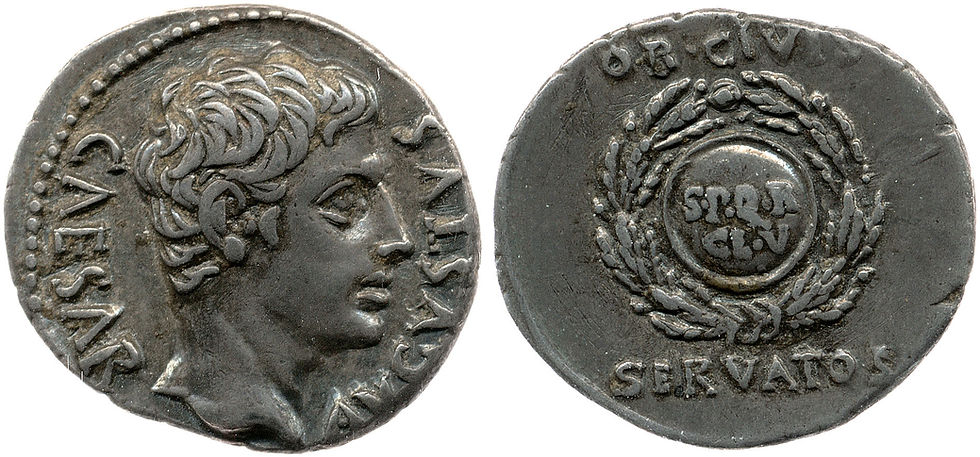
© The Trustees of the British Museum. Shared under a Creative Commons Attribution-NonCommercial-ShareAlike 4.0 International (CC BY-NC-SA 4.0) licence.


Comments